Industry collaboration
From inventions to investable companies.
The starting position
Sweden leads this field.
Spatial biology is one of the rare fields born here that is now shaping science around the world.
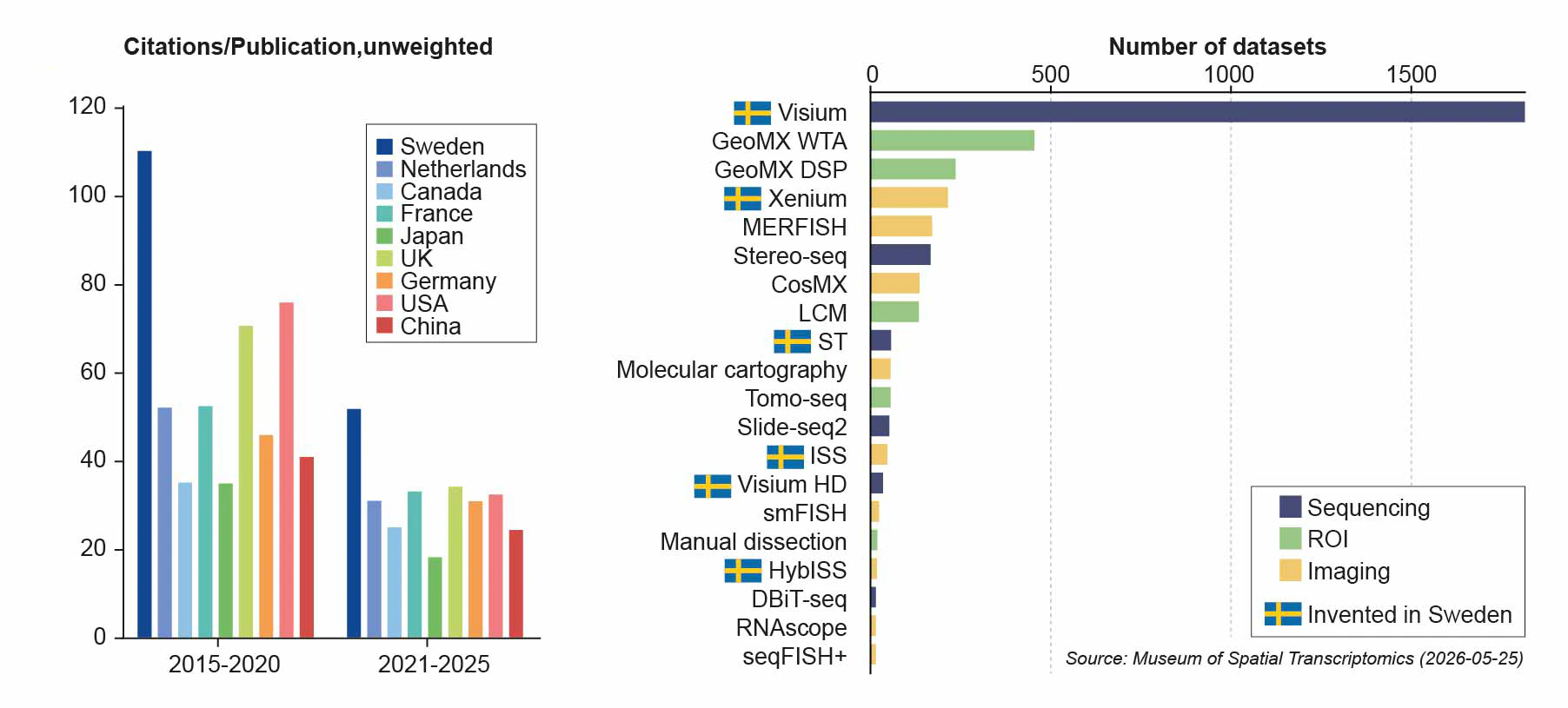
Swedish laboratories produced foundational technologies such as Spatial Transcriptomics, in situ sequencing and HybISS, and the commercial platforms they became: Visium, Visium HD and Xenium. Swedish publications lead the field on citations per publication. The cluster’s goal is to consolidate and further advance this position.
A track record of translation
Two Swedish companies became the two platforms the field runs on.
Acquired by 10x Genomics · 2018
Visium
Spatial Transcriptomics AB
Joakim Lundeberg, Jonas Frisén and Patrik Ståhl
Acquired by 10x Genomics in December 2018. The Stockholm team joined the company, and the method became Visium — today the most widely used spatial platform in the world.
SciLifeLab (opens in a new tab)Acquired by 10x Genomics · 2020
Xenium
Cartana AB
Mats Nilsson and colleagues at Stockholm University
Acquired by 10x Genomics in August 2020. Its in situ chemistry became part of Xenium, and Mats Nilsson joined 10x Genomics as a scientific advisor.
Nordic Life Science (opens in a new tab)
Joakim Lundeberg and Mats Nilsson helped turn their research into companies that were later acquired by the company now shaping the market, while remaining active in the field. The cluster builds on this legacy to drive the next wave of innovation in spatial biology.
10x GenomicsA TRACK RECORD OF INNOVATION
Innovation supported by competitive funding and recognised by awards.
Cluster investigators have won competitive funding from European and Swedish research funders, including the European Research Council, the Swedish Research Council, the Knut and Alice Wallenberg Foundation, Formas and the Swedish National Space Agency. Their innovations have also been recognised in their own right: in 2026 Joakim Lundeberg received the Gold Medal of the Royal Swedish Academy of Engineering Sciences for developing spatial transcriptomics, now a standard tool in the life sciences worldwide. Together, the grants and awards reflect the breadth of innovation driving the cluster's work.
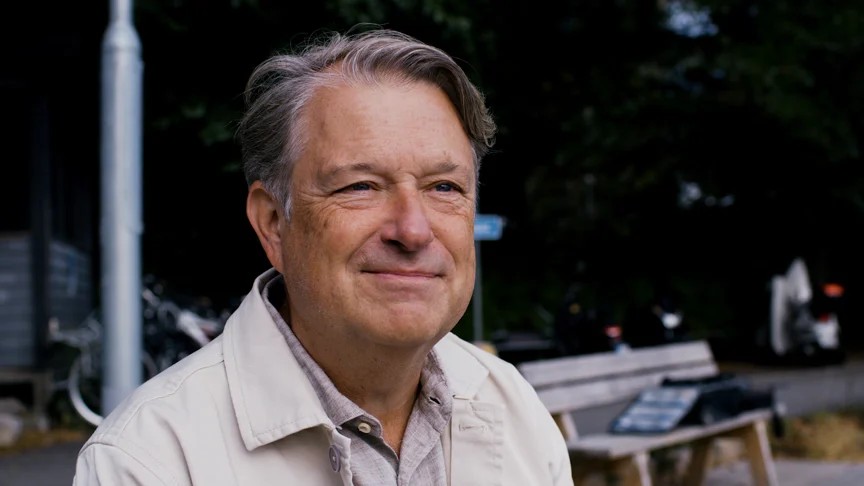
2026IVA Gold Medal
Joakim Lundeberg

2026KAW AI Consultancy Grant
Gonçalo Castelo-Branco
2026KAW AI Consultancy Grant
Eduardo Villablanca
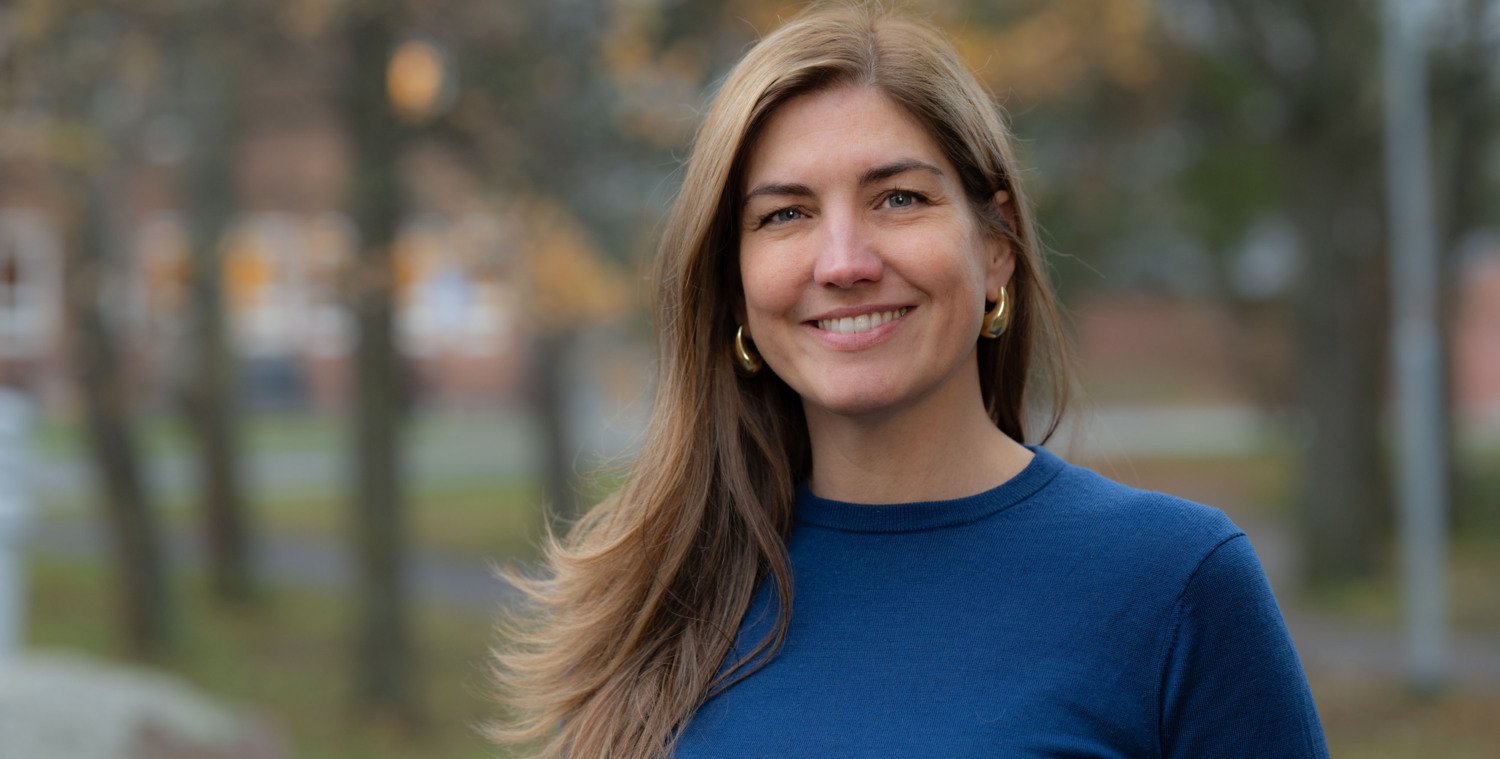
2026ERC Proof of Concept
Emma R. Andersson
2026ERC Advanced Grant
Igor Adameyko
2025ERC Proof of Concept
Gonçalo Castelo-Branco
2024Wallenberg Scholar
Joakim Lundeberg
2024VR Distinguished Professor
Joakim Lundeberg
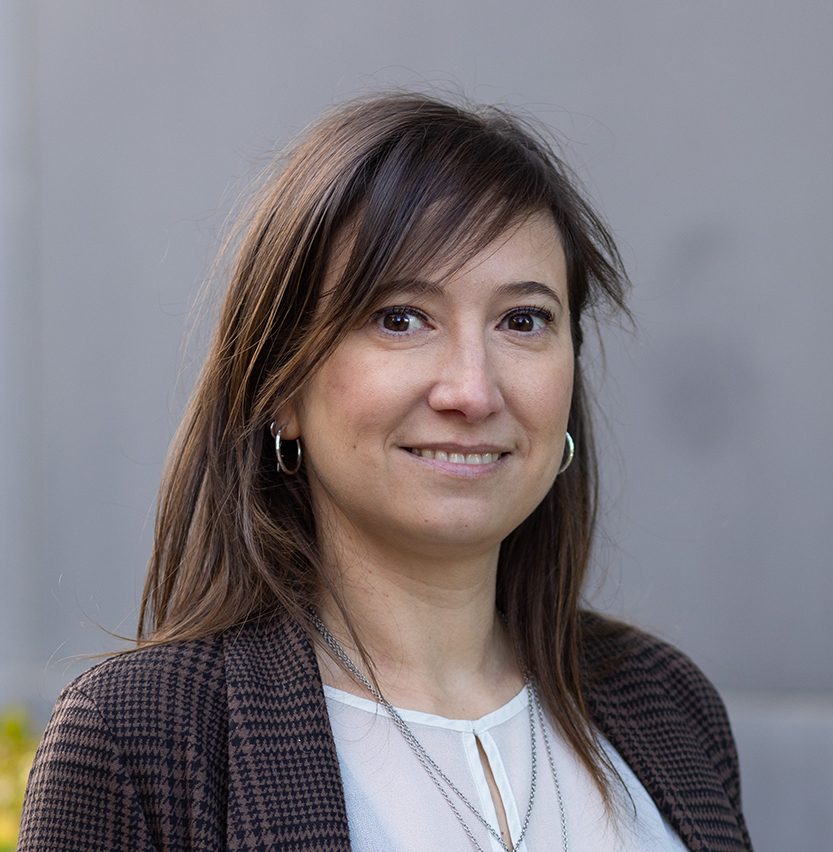
2024VR Project Grant
Stefania Giacomello
2024SNSA Career Support Grant
Stefania Giacomello
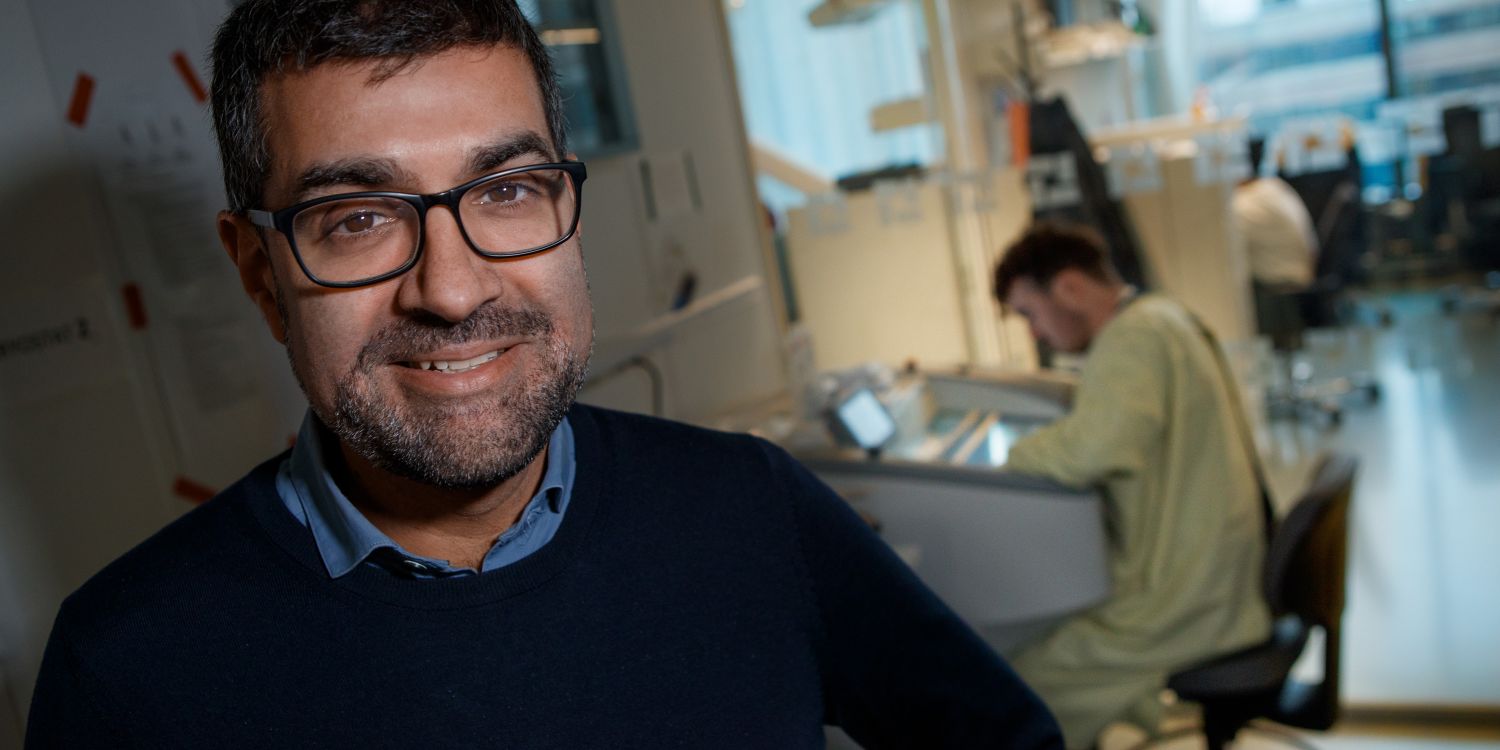
2024Wallenberg Scholar
Gonçalo Castelo-Branco
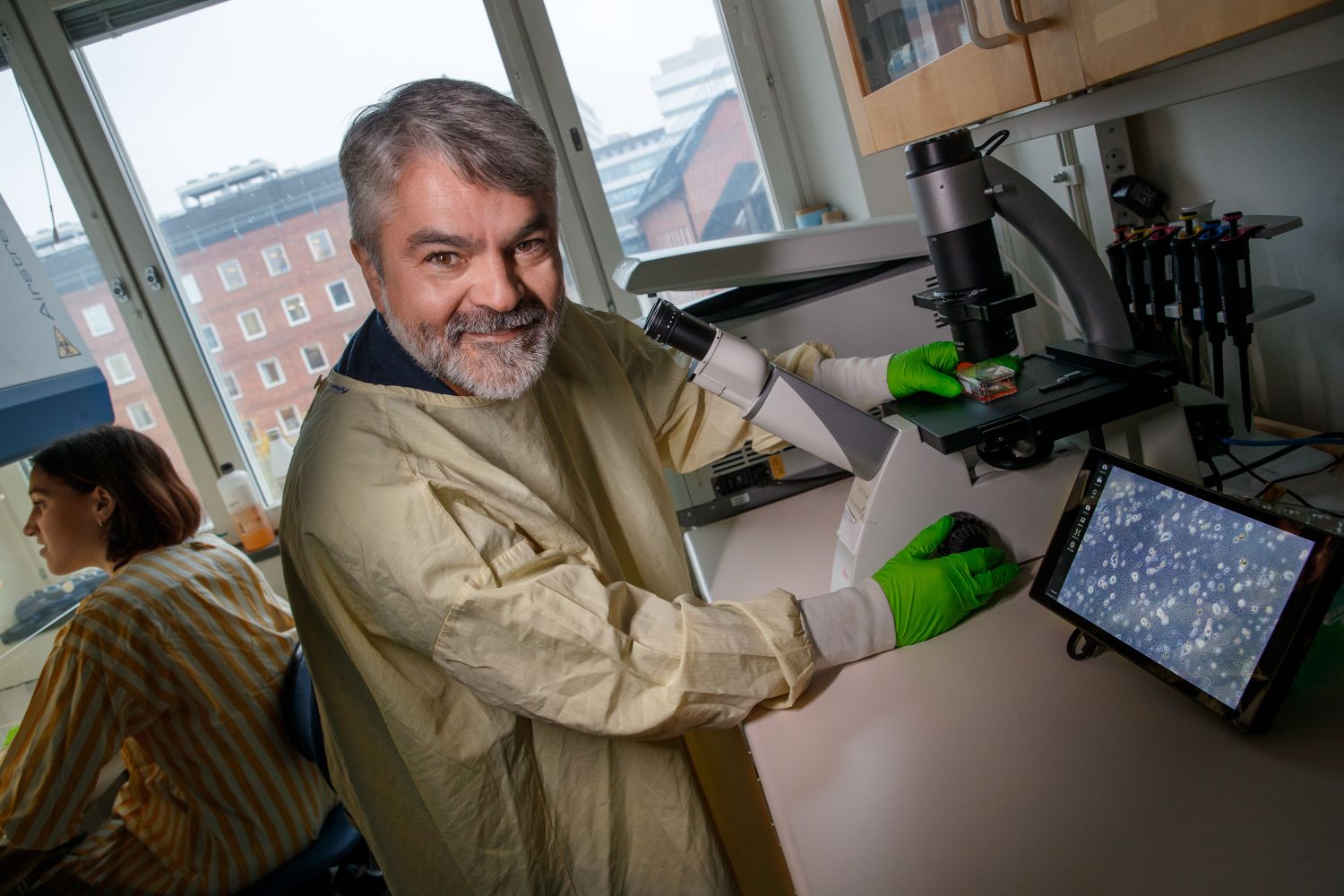
2024KAW Project Grant
Eduardo Villablanca and Stefania Giacomello
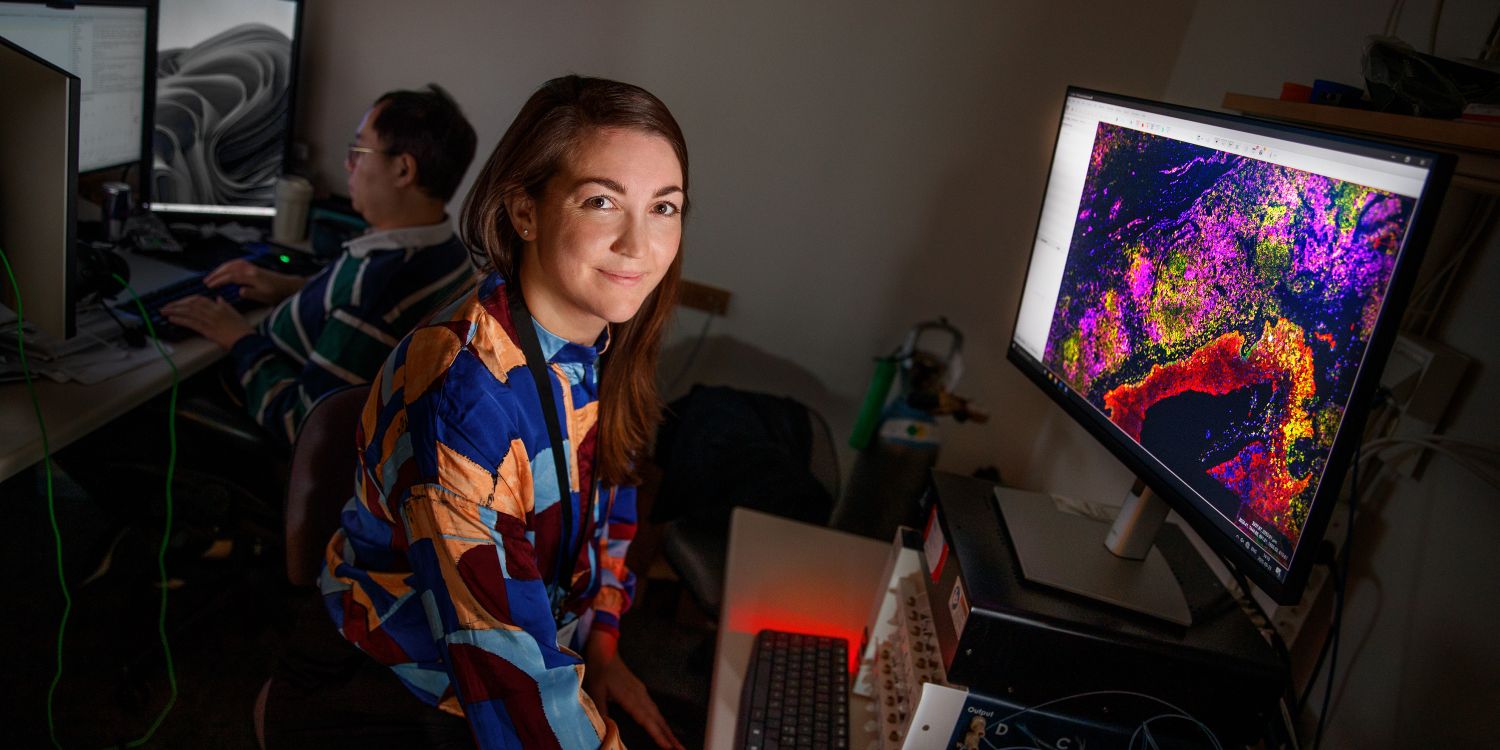
2024KAW Project Grant
Camilla Engblom and Joakim Lundeberg
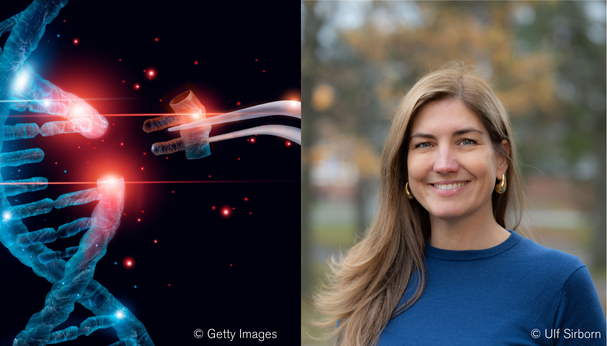
2024ERC Consolidator Grant
Emma R. Andersson
2023ERC Synergy Grant
Eduardo Villablanca and Stefania Giacomello
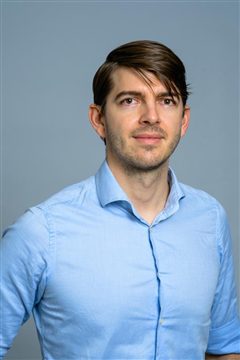
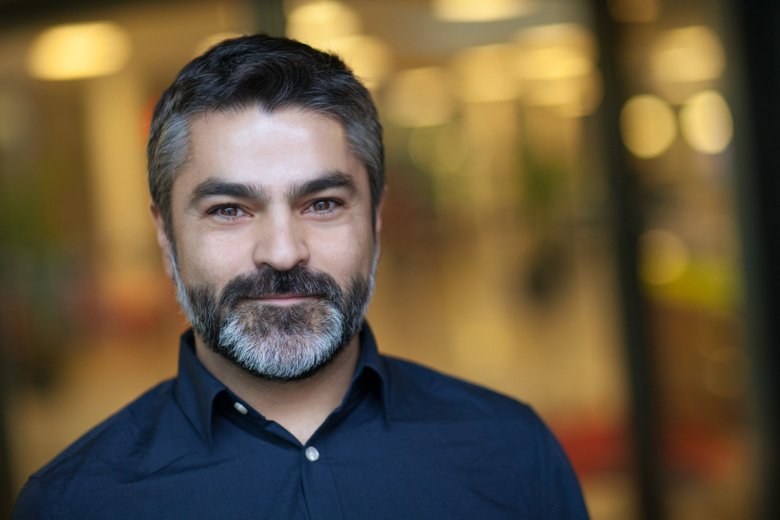
2022Formas Grant
Eduardo Villablanca
2021ERC Advanced Grant
Joakim Lundeberg
2019ERC Synergy Grant
Igor Adameyko
2015ERC Consolidator Grant
Igor Adameyko
2015ERC Consolidator Grant
Carolina Wählby









Partner institutions